
What Causes the Power to Go Out in One Room of a Home? Common Reasons and How to Fix It
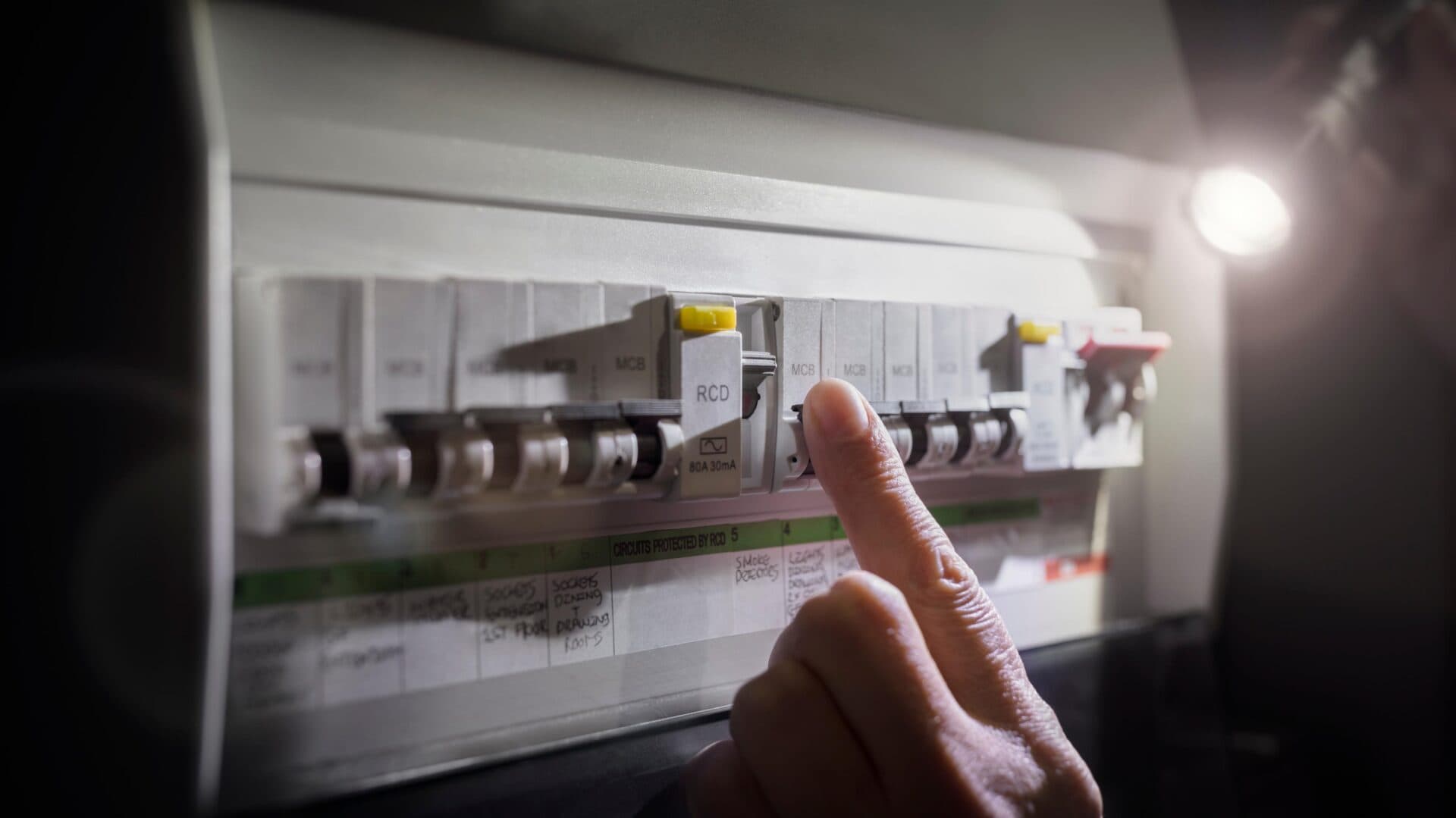
When a single room loses power, the cause typically involves a tripped breaker, a triggered GFCI or AFCI, or loose wiring. To troubleshoot, fully reset your breakers and check all GFCI buttons. If problems persist, or you notice burning smells, sizzling sounds, or heat, stop immediately and contact a licensed electrician. Prevent future outages by labeling your electrical panel, testing safety devices monthly, and ensuring heavy-load appliances are connected to dedicated circuits.
On this page:
Quick Overview: Why Only One Room Loses Power
Common Causes of Power Outage in One Room
Step-by-Step Partial Power Outage Troubleshooting You Can Do Safely
Preventing Future Outages and Maintaining Safety
Ensure Home Safety with Professional Electrical Support
Frequently Asked Questions
If a single room loses power, the cause is usually limited to one circuit. Whether you are living in Atlanta, Marietta, Lawrenceville, or anywhere across the Greater Atlanta area, this guide explains why partial outages happen, how to troubleshoot safely, and when to call a local Casteel professional to restore electricity and prevent future issues.
Quick Overview: Why Only One Room Loses Power
Homes are divided into multiple electrical circuits so a problem in one area does not take down the entire house. Bedrooms, living areas, kitchens, bathrooms, and outdoor receptacles are often on separate circuits. This design helps contain issues and makes troubleshooting easier when you face an electrical problem affecting only one room.
Because of this setup, a power outage in one room often points to a tripped circuit breaker, a tripped GFCI protecting downstream outlets, a tripped AFCI, or a loose or damaged connection at an outlet, switch, or junction box. Sometimes, it looks like the power went out in one room but a breaker is not tripped because the breaker is only partially tripped or the issue is upstream with a GFCI device. If you’re asking what causes the power to go out in one room of a home or why only part of my house is without power, these are the usual suspects.
Treat the situation as urgent if you notice burning smells, sizzling or crackling, warm or discolored outlets or switches, visible arcing, scorch marks, or a breaker that trips immediately after resetting. Turn off the affected breaker and contact a licensed electrician right away.
Common Causes of Power Outage in One Room
Tripped or partially tripped circuit breaker
Overloads or short circuits trip breakers to protect wiring. Frequent triggers include high-wattage appliances like space heaters and microwaves. A breaker may appear on even when partially tripped; reset it by moving it fully to OFF, then back to ON. Recurring trips often indicate overloads, a failing device, or a short circuit.
GFCI or AFCI trip
A tripped GFCI in bathrooms, kitchens, garages, basements, laundry rooms, or outside can shut off power to standard outlets downstream, even in another room. AFCIs trip when they detect arcing from loose connections, worn cords, or damaged wiring, key reasons for a partial power outage in a house.
Loose or faulty outlets, switches, and connections
Backstabbed wiring, worn receptacles, cracked devices, and loose wire nuts can cause intermittent power, flickering, or a total loss in part of a room. If you’ve wondered “could a bad outlet make the whole room lose power,” the answer is yes if it interrupts the feed to downstream devices.
Switched receptacles
Some outlets are half-switched for lamp control. If the wall switch is off, one half is dead while the other half is live, which can mimic some outlets stop working but not all.
Shared neutrals and multi-wire branch circuits
Two circuits can share a neutral. A loose neutral causes dimming, erratic voltage, or equipment malfunctions. The fault may be upstream from the room that appears to be affected.
Step-by-Step Partial Power Outage Troubleshooting You Can Do Safely
Use the checklist below to narrow down what causes a whole room to lose power and how to fix a partial power outage. If anything feels unsafe or unfamiliar, stop and call a professional.
1. Reset your circuit breakers
Locate your electrical panel and identify any breaker that is not perfectly aligned with the others. To properly reset it, you must push the switch completely to the OFF position before flipping it back to ON. If a breaker appears to be in the ON position but the room is dark, it may be partially tripped; perform the OFF-to-ON reset to restore the circuit.
2. Locate and reset tripped GFCI outlets
Check for outlets with "TEST" and "RESET" buttons in kitchens, bathrooms, and garages. Press the RESET button on every GFCI device you find. Because these outlets often protect "downstream" standard receptacles, resetting a single GFCI in one area can frequently restore power to an entire adjacent room.
3. Isolate the circuit by unplugging high-wattage devices
Clear the circuit of heavy electrical loads by unplugging space heaters, hair dryers, or large electronics in the affected room. Once the load is removed, attempt to reset the breaker or GFCI again. If the power stays on, you have successfully identified an overload as the cause of the outage.
4. Identify the failure point with an outlet tester
Plug a standard outlet tester into every receptacle in the room to map out which are live and which are dead. If you find a specific point where power stops, the issue is likely a loose connection at that outlet or the one immediately preceding it. This helps you narrow down the exact "how" behind a partial room failure.
5. Verify wall switch positions for half-hot outlets
Check if any wall switches are in the OFF position, as these often control the top or bottom half of the room's receptacles. Toggle every switch and re-test the outlets; in many cases, what appears to be a power outage is simply a "switched" outlet that has been turned off manually.
6. Recognize when to stop and call for help
If a breaker trips immediately after a reset, or if you encounter buzzing sounds, scorched plastic, or heat, you must stop troubleshooting. Turn the affected breaker to the permanent OFF position and contact a licensed electrician to repair the underlying wiring fault.
When to call a licensed electrician
Persistent tripping, a breaker that refuses to reset, suspected loose or damaged wiring, frequent AFCI trips without a clear appliance cause, or concerns about a shared neutral are reasons to bring in a professional. Never remove electrical panel covers or work on live wiring.
Call our team of licensed electricians
Preventing Future Outages and Maintaining Safety
Routine care helps keep your electrical system operating reliably and prevents recurring single-room outages.
Routine maintenance:
Test GFCI and AFCI devices monthly using their TEST and RESET buttons.
Check outlets and switches occasionally; excessive warmth indicates a problem.
Spread high-wattage devices across multiple circuits to avoid overloading receptacles.
Clearly label your electrical panel for quick breaker identification.
Ensure all junction boxes and cover plates are intact and securely installed.
Smart upgrades:
Install required GFCI protection in kitchens, bathrooms, laundry rooms, basements, garages, and outdoors.
Add AFCI protection to living areas to reduce arc-fault hazards.
Use dedicated circuits for heavy loads like space heaters, microwaves, window ACs, gym equipment, and power tools.
Assess your panel if you experience frequent trips, limited capacity, or have outdated components.
Ensure Home Safety with Professional Electrical Support
Understanding what causes the power to go out in one room of a home is the first step toward restoring order, but safety must always remain your top priority. While simple resets of breakers or GFCI outlets are often effective, persistent electrical issues can signal deeper, potentially hazardous problems within your home's wiring. Electrical systems are complex, and attempting advanced repairs without the proper training can lead to serious injury or fire risks.
If you are dealing with frequent outages, recurring trips, or any signs of heat and damage in your Alpharetta, Duluth, Roswell, or Greater Atlanta area home, seeking professional assistance is the most responsible course of action. A licensed Casteel electrician can provide a comprehensive diagnostic, ensuring your Georgia home meets current safety standards and preventing minor inconveniences from escalating into major electrical emergencies. By prioritizing professional expertise, you protect both your property and your peace of mind.
Frequently Asked Questions
How do I restore power when only one room is out?
Flip the affected breaker firmly to the OFF position and then back ON, press RESET on every GFCI outlet you can find (bathrooms, kitchen, garage, exterior), and unplug high-watt appliances before turning power back on. If there’s no obvious trip, look for a partially tripped breaker or an upstream GFCI. If the breaker trips again or won’t reset, contact a licensed electrician.
What causes a whole room to lose power?
Most often a tripped breaker, a tripped GFCI upstream, an AFCI trip, or a loose connection at an outlet or junction. Less commonly, a failed neutral on a multi-wire circuit or damage in a light fixture can interrupt the circuit supplying that room.
Why is my circuit breaker for one room tripping?
Common reasons include circuit overload from space heaters or hair tools, a shorted device or cord, or a wiring fault like a loose connection. Remove all loads, reset once, then plug items back in one at a time to isolate the problem.
What causes some outlets to stop working but not all?
Often a tripped GFCI that feeds part of the room, a broken tab on a split receptacle, or a loose connection at the first non-working outlet in the run. Check GFCIs and inspect the transition between the last working and first dead outlet.
Why is only part of my house without power?
Separate circuits supply different rooms and areas. A single tripped breaker, GFCI, AFCI, or a loose connection can knock out only one circuit, leaving the rest of the home normal.
Could a bad outlet make the whole room lose power?
Yes. If the bad outlet is upstream and feeds others, a failed connection can cut power to every downstream device in that room. Stop using the circuit if you notice heat, discoloration, or crackling and get it inspected.
Related Articles
What do you need help with today?
Heating
No heat, strange smells, rising bills? We repair and replace heating systems to keep your home reliably warm.
Air Conditioning
AC blowing warm air? Uneven cooling in your rooms? We fix cooling issues fast and keep your system running smoothly all summer.
Plumbing
Our highly trained plumbers handle it all, from leaky faucets to full system installations and repipes.
Electrical
The smartest team in town. You need repair, installations, wiring, inspections, lighting — you name it.