

Last Updated: August 2026
One room hotter than the rest of the house usually comes down to airflow or heat gain: a dirty filter, blocked or leaky ductwork, direct sunlight, poor insulation, a badly placed thermostat, or an undersized AC system. Quick fixes include changing the filter, opening vents, and blocking afternoon sun. Persistent hot rooms — especially upstairs — often need duct repairs, damper balancing, or a zoned ductless mini-split.
On this page:
The 8 Reasons
The Lasting Fix: Zoning and Ductless Mini-Splits
DIY Today vs. What a Pro Should Handle
FAQs
Every house seems to have one room where guests sleep with the door open in July. If you keep asking yourself "why is my room so hot when the rest of the house is fine?", the answer is almost never a mystery of physics: it's one of a few identifiable causes, most of which have simple fixes.
The 8 Reasons Your Room Runs Hot
1. Wrong Size Air Conditioning System
An undersized AC simply can't push enough cooling to every corner of your home. The rooms farthest from the unit lose the lottery, running warm while the rest of the house limps toward the setpoint.
The fix: professional load calculation. A qualified technician can assess whether your system matches your home's square footage, layout, Georgia sun exposure, and whether the answer is equipment or airflow.
2. Ductwork Problems
Your ducts are the delivery trucks of your cooling system, and they age: seals crack, joints loosen, and sections crush or disconnect — especially past the 10-15 year mark. Ducts running through a blazing Georgia attic leak cool air exactly where you can least afford it, and a long or poorly designed run can starve the far room even when everything is intact.
The fix: duct inspection. Sealing and insulating leaky runs often transforms a chronically hot room; badly aged systems may need sections replaced.
3. Sunlight
Rooms with big east- or west-facing windows collect hours of direct sun, and glass is a one-way door for heat: radiation comes in, warms the room, and stays.
The fix: fight the sun at the window. Blackout curtains or cellular shades closed during peak hours, reflective window film (which blocks heat without blocking the view), and exterior shading like awnings or a well-placed tree can drop a sun-baked room several degrees without touching the HVAC system.

4. Faulty Insulation
Poor insulation lets cool air escape in certain spots of your home during the summer season and lets attic heat radiate straight down into the rooms below. If the hot room sits under the roof, over a garage, or above a crawlspace, thin or degraded insulation is a prime suspect.
The fix: have the insulation inspected and topped up where it's thin, and seal air gaps around windows, doors, and penetrations while you're at it. It's one of the rare fixes that pays you back in both summer and winter.
5. Thermostat Placement
A thermostat mounted where direct sunlight (or a nearby heat source) hits it lies to your whole system: it reads warm, overcools its own hallway, and shuts down before distant rooms are comfortable, or the reverse.
The fix: relocate the thermostat to a neutral interior wall or upgrade to a smart thermostat with a remote sensor placed in the problem room. The system will then cool the areas where you actually live rather than where the thermostat happens to hang.
6. Filthy Air Filters
A filter clogged with dust and dirt chokes airflow for the entire system, and the weakest room feels it first.
The fix: check the filter monthly during the cooling season and replace it when it looks gray and laden. If the hot room improves within a day of a fresh filter, you've solved it for a few dollars.
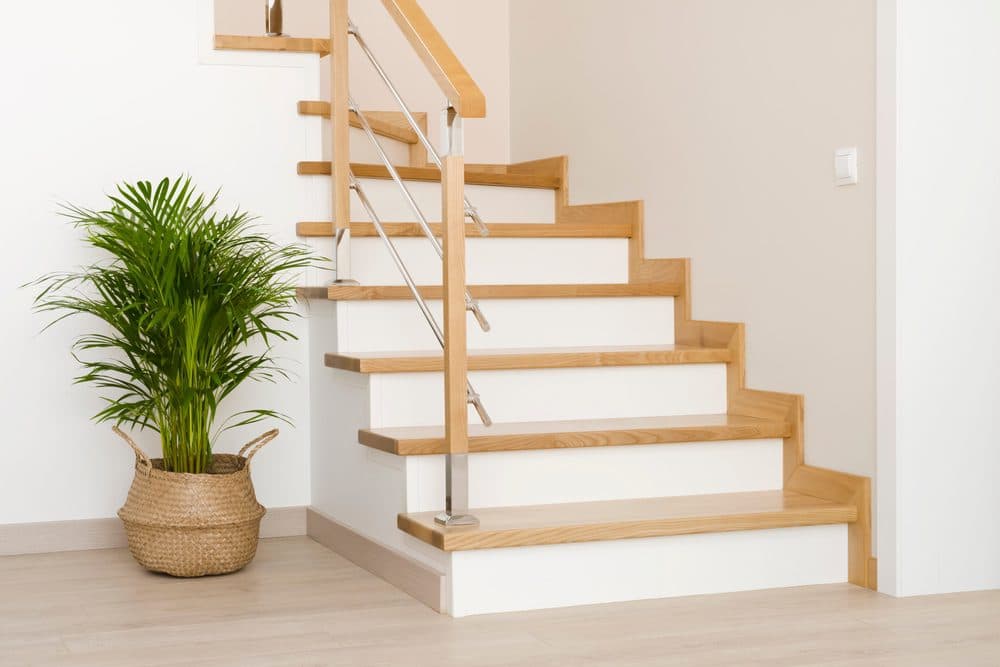
7. Multiple Levels
Heat rises, upper floors absorb attic heat, and the thermostat — usually mounted on the ground floor — has no idea any of it is happening. Add in the stack effect — warm air escaping through small gaps at the top of the house pulls conditioned air upward and out faster than the system can replace it — and it's clear why "why is my upstairs so hot?" is one of the most-asked comfort questions in every two-story neighborhood in Atlanta.
The fix: set your system's fan from "Auto" to "On" to keep air circulating between floors, have a technician balance the dampers to push more air upstairs, and for a lasting solution, consider zoning the system or adding a ductless unit upstairs.
8. Blocked Air Vents — and the Vent-Closing Myth
Furniture, rugs, and curtains parked over supply vents strangle a room's airflow, and a closed door with no return path can pressurize a room until conditioned air simply stops entering. While you're checking vents, let's bust the most persistent myth in home cooling: closing air vents in unoccupied rooms does not help your HVAC unit's efficiency.
Your system is sized to push air through all its ducts; closing vents raises pressure in the ductwork, strains the blower, worsens duct leaks, and can make the hot room hotter.
The fix: open every vent in the house, clear obstructions, and undercut or leave open the doors of rooms that starve for air.
If a fresh filter, open vents, and closed blinds haven't evened things out, the cause is usually hiding in your ductwork, damper balance, or system sizing — things you can't see from the hallway. Casteel has been balancing comfort in metro Atlanta homes for nearly 40 years, and a seasonal AC maintenance visit includes exactly this kind of airflow diagnosis, with "Always On-Time, Guaranteed" scheduling. Call 770-852-8504 and tell us which room is misbehaving.

The Lasting Fix for a Chronically Hot Room: Zoning and Ductless Mini-Splits
When one room's cooling needs genuinely differ from the rest of the house, the permanent answer is to give that space its own control. Zoning divides your existing system with motorized dampers and multiple thermostats, so upstairs and downstairs each get what they need. A ductless mini-split goes a step further: a compact, quiet, high-efficiency unit dedicated to the problem space, installed without any ductwork at all. They’re purpose-built for exactly the rooms with temperature inconsistencies that whole-home systems can't tame. Between the two, virtually any stubborn hot room can be brought permanently in line.
Considering this route? Have a look at Casteel's zoning and ductless options to see what fits your home.
What You Can Do Today vs. What a Pro Should Handle
DIY today (free or cheap): replace the air filter, open and clear every vent, close blinds during peak sun, keep interior doors open or undercut, and flip the fan setting to "On." These alone fix a surprising share of hot-room complaints.
Professional territory: duct sealing and repair, damper balancing, insulation upgrades, thermostat relocation, load calculations, zoning, and mini-split installation. Costs scale with the fix— typically [insert real duct-sealing cost range] for a duct sealing job versus a full system replacement, which is why a proper diagnosis beats guessing. If the diagnosis turns up a struggling or failing system behind it all, Casteel's AC repair team can usually restore what you have before anyone talks replacement.
Why Choose Casteel to Even Out Your Home
For nearly 40 years, metro Atlanta homeowners have called Casteel when one room refuses to match the rest, because we diagnose airflow rather than guess at it. Every visit comes backed by our "Always On-Time, Guaranteed" promise, same-day service availability, 24/7 scheduling, financing options, and NATE-certified technicians who treat your home like their own. From a simple filter-and-damper visit to a full zoning retrofit, Casteel's air conditioning services team will find why that room runs hot and fix it for good. Call 770-852-8504 or book online 24/7.
Hot Room FAQs
Why is one room so much hotter than the rest of my house?
Usually airflow or heat gain: a dirty filter, blocked or leaky ducts, direct sunlight, thin insulation, or a room far from an undersized system. Start with the free checks: fresh filter, open vents, closed blinds. If the room stays hot, have a pro inspect the ductwork and damper balance.
Does closing vents in other rooms help cool a hot room?
No. Your system is designed to push air through every duct; closing vents raises duct pressure, strains the blower, worsens leaks, and can actually make hot rooms worse while risking damage. Keep all vents open and clear, and balance airflow with dampers instead if some rooms get too much air.
Why is my upstairs so much hotter than downstairs?
Heat rises, upper floors sit under a hot attic, and the ground-floor thermostat can't feel any of it — so it shuts the system off while upstairs still swelters. This is sometimes called the stack effect. Run the fan on "On," check attic insulation, and have dampers balanced. For a permanent fix, zoning or an upstairs ductless mini-split gives the second floor its own control.
How do I fix a room that's always hotter than the others?
Work from cheap to lasting: replace the filter, open and clear vents, block afternoon sun, and keep doors open. Next, have ducts inspected for leaks and balance the dampers. If the room still runs hot, it needs its own solution: a zoned system or ductless mini-split ends the problem permanently.
Related Articles
What do you need help with today?
Heating
No heat, strange smells, rising bills? We repair and replace heating systems to keep your home reliably warm.
Air Conditioning
AC blowing warm air? Uneven cooling in your rooms? We fix cooling issues fast and keep your system running smoothly all summer.
Plumbing
Our highly trained plumbers handle it all, from leaky faucets to full system installations and repipes.
Electrical
The smartest team in town. You need repair, installations, wiring, inspections, lighting — you name it.