
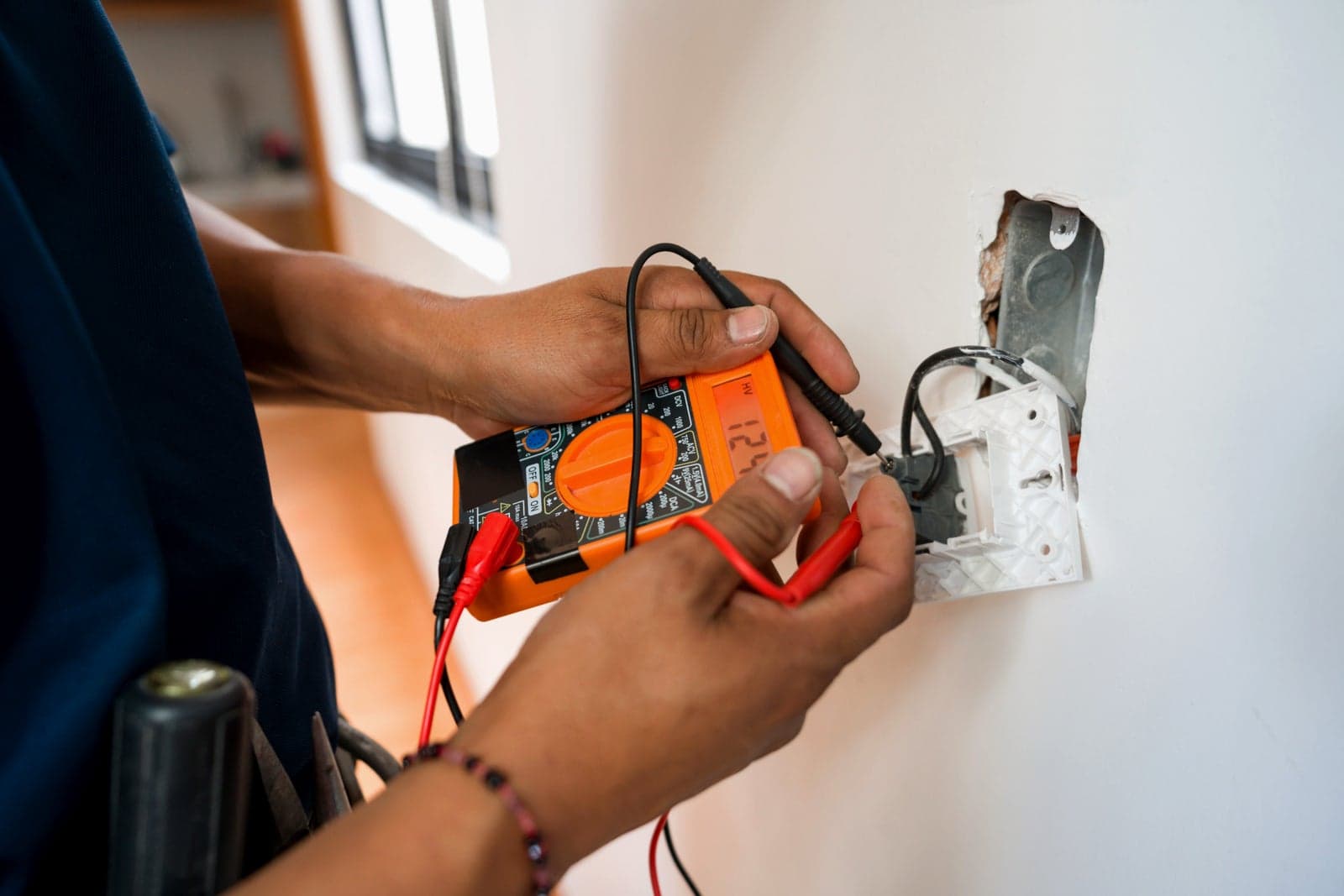
A buzzing light switch typically indicates an electrical issue ranging from simple compatibility problems to more serious wiring concerns. Common culprits include incompatible light bulbs or dimmer switches, loose or worn components, and faulty wiring. While some causes are minor, buzzing can sometimes signal fire hazards like overheating or arcing. If troubleshooting incompatible bulbs does not resolve the noise, or if you notice signs of overheating, contact a qualified electrician to ensure your home’s electrical system remains safe.
On this page:
The Top 6 Causes of a Buzzing Light Switch
Signs a Buzzing Light Switch Could Be a Fire Hazard
How to Troubleshoot a Buzzing Light Switch Safely
When to Call a Licensed Electrician
Local Electrical Expertise Across Greater Atlanta
Schedule Electrical Service with Casteel
Frequently Asked Questions
Light switches should operate quietly. If a switch buzzes when you turn it on, something may need attention. The cause could be as simple as an incompatible bulb or a worn switch, but buzzing can also point to loose wiring, a failing dimmer, or another electrical problem.
This guide explains the most common causes of a buzzing light switch, what you can safely check at home, and when it is time to call a licensed electrician.
Casteel provides professional electrical services throughout the Greater Atlanta Area, including Marietta, Roswell, Alpharetta, Sandy Springs, Decatur, and surrounding communities. Our licensed electricians can diagnose buzzing switches, faulty wiring, lighting problems, and other electrical concerns to help keep your Georgia home safe and reliable.
The Top 6 Causes of a Buzzing Light Switch
A buzzing sound can come from the switch itself, the wiring behind it, the light fixture, or the interaction between different electrical components. Identifying when the noise occurs can help narrow down the cause.
1. Loose or Worn Switch Components
Switches can wear out over time. Internal components may become loose or fail to make consistent contact, creating vibration and a noticeable buzzing sound when electricity flows through the switch.
You may also notice a loose toggle, a weak clicking sound, flickering lights, or a switch that feels different from the others in your home.
A worn switch should generally be replaced rather than repaired. If buzzing continues after replacing the switch, an electrician can inspect the wiring and other components connected to the circuit.
2. Loose or Faulty Wiring
Loose electrical connections can create vibration, heat, and in some cases electrical arcing. Wiring that has deteriorated or been damaged can also cause inconsistent electrical performance.
Warning signs can include:
Buzzing or crackling near the switch
Flickering or intermittent lights
A warm switch or faceplate
Discoloration around the switch
A burning smell
If you notice these symptoms, avoid using the switch until it can be inspected. Electrical wiring problems can create serious shock and fire hazards if left unresolved.
Casteel's licensed electricians diagnose and repair electrical wiring problems throughout Greater Atlanta, including older homes and properties that have undergone renovations.
3. Incompatible Bulbs or Dimmer Switches
A buzzing sound does not always mean the switch itself is defective. Bulbs and dimmers need to be compatible with one another.
This is particularly common with LED bulbs. An older dimmer designed for incandescent bulbs may not work properly with an LED bulb, resulting in buzzing, flickering, or inconsistent dimming.
If the buzzing only occurs when the lights are dimmed, check whether:
The bulb is labeled as dimmable.
The dimmer is rated for LED bulbs.
The bulb and dimmer are compatible according to their manufacturers.
The fixture or bulb has an electronic driver that may require a specific control.
Replacing an incompatible bulb or installing a properly rated dimmer may resolve the problem. Casteel can also help homeowners select and install compatible lighting controls during LED upgrades and home renovations.
4. An Overloaded or Shared Circuit
A buzzing switch is not necessarily caused by an overloaded circuit, but circuit breaker problems can produce related symptoms. This can be more common in older homes where electrical systems were not designed for today's demand.
Pay attention if buzzing occurs alongside:
Frequently tripped breakers
Lights that dim when an appliance starts
Flickering lights
Multiple electrical devices losing power
A circuit that feels unusually warm
A qualified electrician can evaluate the circuit and determine whether the problem involves excessive electrical demand, a faulty breaker, wiring, or another component.
If additional electrical capacity is needed, a dedicated circuit or other electrical upgrade may provide a safer long-term solution.
5. Grounding Problems
Improper grounding can affect the safety and performance of a home's electrical system. Older wiring, previous electrical work, or damaged connections may contribute to grounding problems.
Grounding issues can be difficult for homeowners to identify because they may not produce obvious symptoms. However, buzzing, flickering, shocks from electrical components, or recurring circuit problems warrant professional electrical evaluation.
An electrician can inspect the switch, wiring, grounding connections, and related components to determine whether the electrical system is operating properly.
This can be especially important in older Atlanta-area homes where electrical systems may have been modified or upgraded over the years.
6. A Failing or Improperly Rated Dimmer
A dimmer can buzz when its internal components begin to fail or when it is not properly matched to the lighting load.
You may notice that the buzzing:
Gets louder as you dim the lights
Stops when the lights are at full brightness
Happens only with certain bulbs
Occurs after installing a new fixture
Is accompanied by flickering or inconsistent brightness
A dimmer that is hot, discolored, damaged, or producing a strong buzzing sound should not continue to be used.
Replacing the dimmer with a properly rated model may solve the issue, but persistent buzzing should be evaluated to rule out wiring or circuit problems.
Signs a Buzzing Light Switch Could Be a Fire Hazard
A faint buzz does not always indicate an emergency, but certain symptoms should never be ignored.
Turn off the affected circuit and contact a licensed electrician if you notice:
A burning smell
Smoke or visible sparks
Scorch marks or discoloration
A hot switch or faceplate
Cracked or damaged insulation
Persistent crackling or popping
A switch that becomes unusually warm
Repeated breaker trips
Do not continue operating a switch that shows signs of overheating or electrical damage. Casteel provides emergency electrical services in the Greater Atlanta Area for urgent electrical problems, including sparks, smoke, and other potential hazards.
How to Troubleshoot a Buzzing Light Switch Safely
You can perform a few basic checks to help identify the source of the noise. Avoid opening the switch box or handling electrical wiring unless you are qualified to do so.
Simple Checks You Can Make
Try a compatible bulb. If the switch controls a dimmable fixture, make sure the bulb is specifically labeled as dimmable and compatible with the installed dimmer.
Determine when the buzzing occurs. Does it happen when the light is turned on, only while dimming, or continuously? The timing can help identify whether the bulb, dimmer, fixture, or switch may be responsible.
Listen to the location of the noise. A buzzing sound may come from the switch, light fixture, bulb, or another component nearby. Identifying the source can help an electrician diagnose the problem faster.
Check for warning signs. Look for flickering, discoloration, unusual warmth, burning odors, or breaker trips. If you notice any of these symptoms, stop using the affected circuit and contact a professional.
Do not attempt electrical repairs if you are unsure. Replacing a bulb is generally straightforward, but working inside a switch box or changing wiring can create shock and fire hazards if done incorrectly.
Document Symptoms for Faster Diagnosis
Before scheduling service, make note of:
When the buzzing starts
Whether the noise changes when dimming
The bulb type, brand, and wattage
The dimmer or switch type
Any flickering or changes in brightness
Any breaker trips
Any warmth, discoloration, or burning odors
Whether the problem started after a fixture or bulb was replaced
These details can help your electrician determine where to begin troubleshooting.
When to Call a Licensed Electrician
If a light switch continues buzzing after you install a compatible bulb, the issue should be professionally evaluated. You should also contact an electrician if the switch feels hot, flickers, produces unusual odors, or shows any visible damage.
Professional electrical troubleshooting can determine whether the problem involves the switch, dimmer, fixture, wiring, grounding, or circuit.
Why Homeowners Choose Casteel
Casteel's licensed electricians provide:
Upfront pricing before electrical work begins
Same-day service availability in Georgia
The goal is not simply to stop the buzzing. A proper diagnosis identifies the underlying issue so your electrical system can operate safely and reliably.
Casteel Offers Local Electrical Expertise Across Greater Atlanta
Electrical systems can vary significantly based on a property's age, previous renovations, wiring, and overall electrical demand. Whether you live in an older Atlanta home, a renovated property in Decatur, or a newer home in the northern suburbs, Casteel provides local electrical repair and inspection services tailored to your needs.
Our licensed electricians serve homeowners throughout the Greater Atlanta Area, including Marietta, Alpharetta, Roswell, Kennesaw, Lawrenceville, and Decatur. We can quickly identify the root cause of any buzzing noise, explain your options, and safely restore your lighting system. Contact Casteel today to schedule electrical service.
Frequently Asked Questions
Is a buzzing light switch dangerous?
A buzzing light switch can result from something relatively minor, such as an incompatible bulb or dimmer, but it can also indicate a loose connection, failing switch, or other electrical problem. If the switch is hot, discolored, sparking, smoking, or producing a burning smell, turn off the affected circuit and contact a licensed electrician.
Why does my switch make noise after installing smart bulbs?
Some smart bulbs contain electronic components that may not work properly with certain switches or dimmers. If buzzing begins after installing a smart bulb, check the manufacturer's compatibility requirements. A compatible switch or smart control may resolve the problem.
Why does the hum start after replacing a light fixture?
A new fixture may use different electronic components, drivers, or transformers that interact differently with the existing switch or dimmer. If buzzing starts immediately after a fixture replacement, check the fixture and control for compatibility. Persistent noise should be evaluated by an electrician.
Can temperature or humidity affect a switch's noise?
Temperature and humidity can affect electrical components and may make existing problems more noticeable, particularly in areas such as bathrooms, garages, or other moisture-prone spaces. However, a persistent buzzing sound should not be dismissed as a normal effect of Georgia's climate. If the noise continues, have the switch and circuit inspected by a qualified electrician.
Related Articles
What do you need help with today?
Heating
No heat, strange smells, rising bills? We repair and replace heating systems to keep your home reliably warm.
Air Conditioning
AC blowing warm air? Uneven cooling in your rooms? We fix cooling issues fast and keep your system running smoothly all summer.
Plumbing
Our highly trained plumbers handle it all, from leaky faucets to full system installations and repipes.
Electrical
The smartest team in town. You need repair, installations, wiring, inspections, lighting — you name it.